The complete breed guide
What is a Shiba Inu? The complete breed guide
The internet's most-memed dog, explained honestly by an AVS licensed Singapore shop. Origin, size, the double coat, the aloof temperament, the scream, health, lifespan and what a real one costs here.
Nelson and Kim, Curious Tails · AVS licence AS24J00046
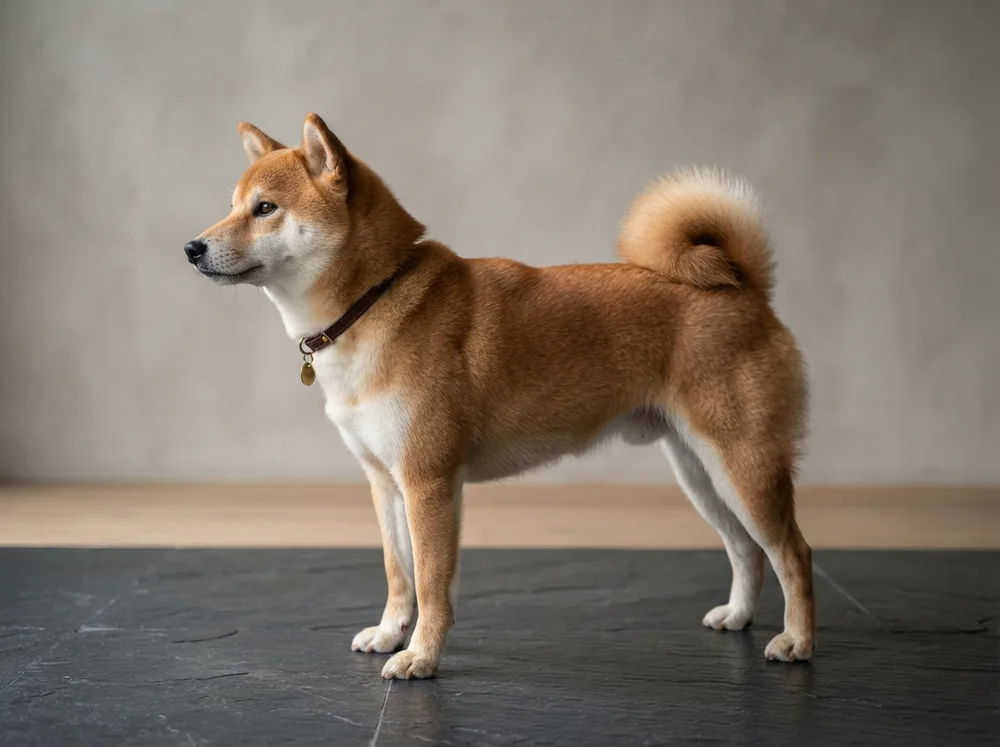
What is a Shiba Inu?
The Shiba Inu (柴犬) is a small-to-medium Japanese spitz breed, originally bred to flush birds and small game in Japan's mountainous terrain. It stands about 37 to 40 cm at the shoulder and weighs roughly 8 to 11 kg, with erect triangular ears, a fox-like face, a plush double coat and a tightly curled tail. It is alert, bold and famously aloof and cat-like, with a strong independent streak, a high prey drive and a distinctive scream. In Singapore a locally-bred Shiba starts from $2,888 all-in.
柴犬 · you know the Doge, meet the dog · honestly advised
The Shiba Inu at a glance
The Shiba Inu is the smallest of Japan's six native spitz breeds and, thanks to the internet, easily the most famous. It is the dog behind the Doge and Cheems memes and the SHIB cryptocurrency, which means most people meet the face long before they meet the temperament. This guide is the honest version: what the breed actually is, where it came from, how big it gets, what it costs in Singapore, and the downsides nobody puts in a meme.
Everything here is grounded in breed authorities such as the American Kennel Club, Royal Canin and the breed's documented history, plus what Shiba owners consistently report. Where figures vary between sources we say so rather than pick the flattering one.
37–40 cm
Height at shoulder
8–11 kg
Adult weight
12–16 yrs
Commonly cited lifespan
$2,888
From, all-in (local)
Where the Shiba Inu comes from
The Shiba Inu is an ancient Japanese breed, developed to hunt in the dense undergrowth of Japan's mountains, and the name is usually read as "brushwood dog" (柴犬). It is one of six native Japanese spitz breeds, alongside the much larger Akita and the mid-sized Kishu, Shikoku, Kai and Hokkaido.
The breed nearly disappeared. A combination of distemper and the second world war brought it close to extinction in the 1940s, and today's Shibas descend from a small number of surviving bloodlines that were carefully rebuilt. That history is part of why lineage and provenance still matter to serious owners of the breed today.
The modern Shiba is a companion first, but the hunting heritage never left. The alertness, the independence and the prey drive are all working-dog traits, and they explain a lot of the temperament further down this page. There is more on the culture and the meme in our piece on the Shiba Inu's Japanese heritage.
Origin in brief
- Native Japanese spitz breed, 柴犬 ("brushwood dog")
- Bred to flush birds and small game in the mountains
- One of six native Japanese breeds (the Akita is the largest)
- Nearly extinct in the 1940s; rebuilt from a few bloodlines
- Rebuilt in Japan from a handful of surviving bloodlines
How big does a Shiba Inu get?
A Shiba Inu is a small-to-medium dog, not a toy breed. Males stand about 38 to 40 cm at the shoulder and females about 37 to 39 cm, with males typically 9 to 11 kg and females 8 to 9 kg. That places the Shiba above the small-breed line that matters most in Singapore, which is the HDB approved-breed threshold.
It is a compact, muscular, well-balanced dog that looks larger than its weight because of the thick double coat. Full size arrives at around 10 to 12 months. If you have seen a "mame" or "mini" Shiba online, that is a size label rather than a separate breed, and we explain the honest version on our mame Shiba page.
| Measure | Male | Female |
|---|---|---|
| Height at shoulder | 38–40 cm | 37–39 cm |
| Weight | 9–11 kg | 8–9 kg |
| Build | Compact and muscular | Compact and refined |
| Full size reached | ~10–12 months | ~10–12 months |
The double coat and the colours
The Shiba wears a Nordic double coat: a stiff, straight outer coat over a soft, dense undercoat. It is low-odour and largely self-cleaning, but it sheds moderately year-round and then "blows" its undercoat heavily about twice a year, which is a genuinely dramatic amount of fur. Crucially, you never shave a double coat: it regulates heat and cold, and shaving can damage how it regrows. Full detail is on our shedding and grooming guide.
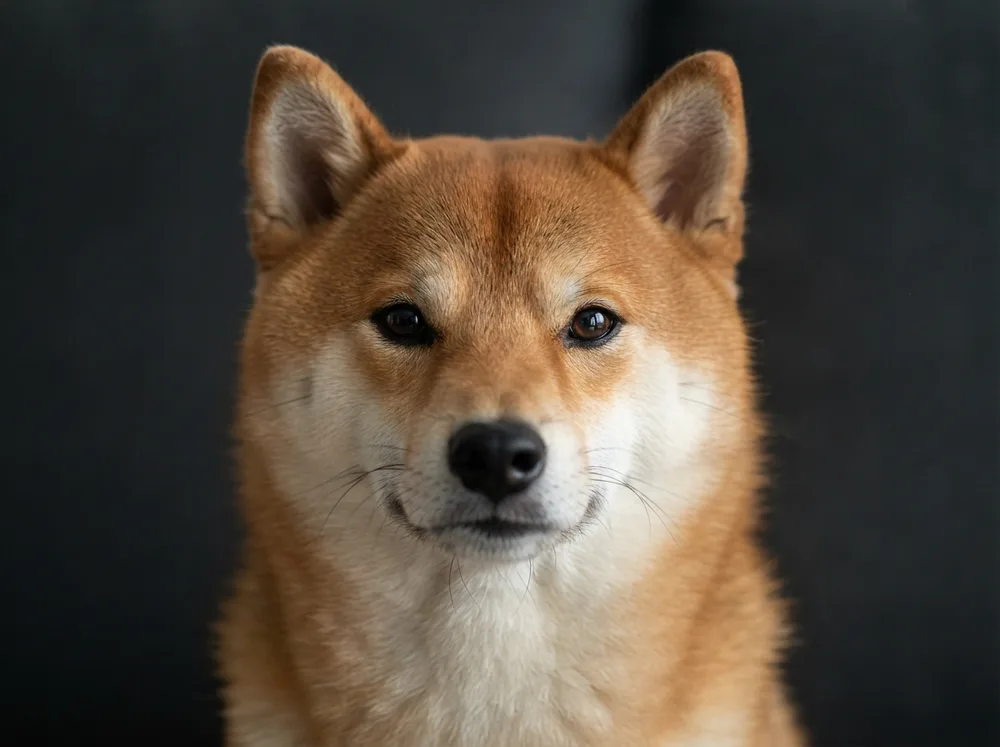
There are four standard colours: red (the classic and most common), sesame (red with black-tipped hairs, genuinely uncommon when correct), black and tan, and cream. Every correctly-marked Shiba also carries urajiro, the pale cream-to-white markings on the cheeks, chest, belly and legs. One honest clarification: a solid pure-black Shiba is not a standard colour, so a search for a "black Shiba" almost always means the black and tan.
You never shave a Shiba. The double coat is not a jumper you can take off; it is the dog's climate control.
Shiba Inu temperament: aloof, not the meme
This is where the meme and the dog part ways. Shiba owners and breed authorities widely describe the Shiba as aloof, independent and cat-like: dignified, self-possessed, clean, and frequently not interested in cuddling. It bonds strongly with its family but on its own terms, and it is confident to the point of stubborn. It is not the agreeable, huggable internet dog the Doge suggests.
Three specifics come up in almost every honest account. The Shiba scream is a loud, high, theatrical protest vocalisation. The prey drive is high, which makes the breed a real risk around cats and small pets. And recall is unreliable, which is why the near-universal rule is never off-leash. None of this makes the Shiba a bad dog; it makes it a dog for someone who wants exactly this. The full, sourced picture is our temperament page.
Training a Shiba is possible but humbling. It is intelligent and quick to learn, and equally quick to decide whether your request is worth its time. Positive, consistent, patient training works; heavy-handed methods backfire. We include a free lesson with an AVS-certified trainer for exactly this reason, and there is a realistic guide at how to train a stubborn Shiba.
Temperament in brief
- Aloof, independent, cat-like (widely reported)
- The Shiba scream: a dramatic protest vocalisation
- High prey drive: a real risk to cats and small pets
- Unreliable recall: never off-leash, no exceptions
- Intelligent but stubborn; patient, positive training only
Is a Shiba Inu a good family dog?
It can be, in the right family. A Shiba is generally fine with respectful, older children who understand that this is not a dog to be grabbed, hugged or disturbed while eating or sleeping. It is less suited to homes with toddlers or with free-roaming cats and small animals, because of the handling sensitivity and the prey drive.
The honest summary: a Shiba suits an active, patient household that wants an independent, dignified companion and has done its homework, ideally in private property, on-leash, with the shedding and the scream understood in advance. It is a poor match for anyone expecting a low-effort, cuddly, off-leash family dog. There is a fuller answer at are Shiba Inus good with children.
Shiba Inu health and lifespan
The Shiba is generally a robust, healthy breed and commonly cited as long-lived, with sources putting the typical lifespan around 12 to 16 years. As with any breed there are conditions worth knowing: luxating patella (a slipping kneecap), allergies and skin sensitivities (atopy), eye conditions such as glaucoma and cataracts, and occasional hip issues. Reputable breeders health-screen breeding dogs to reduce these risks.
We frame all of this as risk to manage, never as something a shop can promise away, and every clinical point here should be confirmed with your vet for your individual dog. There is a fuller, sourced breakdown on our Shiba Inu health page and in common Shiba Inu health issues.
Health, honestly
- Commonly cited lifespan around 12 to 16 years
- Luxating patella (slipping kneecap)
- Allergies and skin sensitivities (atopy)
- Eye conditions: glaucoma, cataracts
- Confirm anything health-related with your own vet
Can you keep a Shiba Inu in Singapore?
Yes, but housing is the first question, not the last. Because the Shiba is a medium breed of about 8 to 11 kg, it is not on HDB's approved small-breed list, which makes it private property by default. There is a case-by-case approval conversation online, but parts of it are folklore, so we point buyers to the accurate current rule on HDB's keeping-pets guidance rather than repeat the myth.
Everywhere in Singapore, a dog needs a mandatory AVS licence, private housing allows more dogs than a flat, and buying from an AVS licensed source protects you from the smuggled-puppy trade. The full picture is on our Shiba Inu and HDB guide, which is the page to read before you fall for a face.
Keeping one in Singapore
- Medium breed (~8–11 kg): not on the HDB approved list
- Private property by default; verify the current HDB rule
- AVS dog licence is mandatory (we handle it at purchase)
- Buy from an AVS licensed source; avoid smuggled puppies
- Locally bred, from $2,888 all-in
How much is a Shiba Inu in Singapore?
A locally-bred, pet-quality Shiba Inu from an AVS licensed shop like ours starts at $2,888 all-in, with cream (a premium colour) from $3,888. That all-in floor sits deliberately below a Singapore market that frequently quotes $7,000 to $10,000 for the same dog, and it includes the vaccinations, microchip, starter kit, delivery, training lesson and licensing.
Treat a Shiba advertised far below that floor with caution rather than excitement: it is often a sign of a smuggled or poorly-raised puppy. The full, itemised breakdown, and what a real price includes, is on our Shiba Inu price guide.
| Type | From | Notes |
|---|---|---|
| Locally-bred, standard colour | $2,888 | Red, sesame or black and tan |
| Cream (premium colour) | $3,888 | Genuinely rarer; priced up |
| Mame / mini / teacup label | No premium charged | A size word, not a rarer dog |
| Suspiciously cheap listing | A red flag | Often smuggled; verify the seller |
The honest downsides
Single-perspective breed pages read like sales copy, so here is the part most of them skip. The Shiba is a lot of dog to live with. It sheds heavily, especially twice a year. It can be dog-aggressive and is often not keen on other dogs of the same sex. It is an escape artist, so containment has to be genuinely secure. And it can be possessive over food, toys and space, which is why calm, respectful handling matters.
Add the scream, the prey drive and the never-off-leash rule, and the picture is clear: this is a beautiful, characterful, high-commitment breed, not an easy first dog. We would much rather you know all of that now than discover it in month three. If it still sounds like your kind of dog, it probably is.
Before you commit, know these
- Heavy seasonal shedding (the coat "blows" twice a year)
- Can be same-sex dog-aggressive; often not a dog-park dog
- Escape artist: secure containment is non-negotiable
- Possessive tendencies over food, toys and space
- Not an easy first dog, and not the cuddly meme
Go deeper on any part of the breed
Frequently asked questions
What is a Shiba Inu?
A Shiba Inu is a small-to-medium Japanese spitz breed, about 37 to 40 cm tall and 8 to 11 kg, with erect ears, a fox-like face and a curled tail. It is alert, bold, aloof and cat-like, with a high prey drive and a distinctive scream. It is the breed behind the Doge and Cheems memes.
Are Shiba Inus good pets?
For the right owner, yes: clean, dignified, low-odour and deeply loyal on their own terms. They suit patient, active households, ideally in private property, that want an independent companion and understand the shedding, the prey drive and the never-off-leash rule. They are a poor fit for anyone expecting a cuddly, easy first dog.
How big does a Shiba Inu get?
Males stand about 38 to 40 cm at the shoulder and weigh 9 to 11 kg; females are slightly smaller at 37 to 39 cm and 8 to 9 kg. It is a compact, muscular medium breed that reaches full size at around 10 to 12 months.
How long do Shiba Inus live?
Sources commonly cite a lifespan of around 12 to 16 years. The Shiba is generally a robust, long-lived breed, though individual longevity depends on genetics, care and a bit of luck.
Do Shiba Inus shed a lot?
Yes. The Nordic double coat sheds moderately all year and then "blows" its undercoat heavily about twice a year, producing large amounts of fur. You brush more during those periods, and you never shave the coat.
Why can’t you let a Shiba Inu off-leash?
Because the breed combines an unreliable recall with a strong prey drive. Breed authorities and owner communities are near-unanimous that an off-leash Shiba is at real risk of bolting after prey or a scent and not coming back. It is treated as a secure-harness, on-leash breed at all times.
Are mame or mini Shiba Inus a real breed?
No. "Mame" means bean in Japanese and refers to size, not a separate breed. A reputable seller can source a smaller Shiba on request without a premium, and is honest about the health risks of deliberately breeding for undersize.
How much does a Shiba Inu cost in Singapore?
Locally-bred, pet-quality Shibas from an AVS licensed shop start at $2,888 all-in, with cream from $3,888. That published floor sits below a market that often quotes $7,000 to $10,000.
Is a Shiba Inu allowed in Singapore?
Yes. A Shiba Inu is legal to own anywhere in Singapore with the mandatory AVS dog licence. The catch is housing: because the Shiba is a medium breed of about 8 to 11 kg, it is not on HDB’s approved small-breed list, so it is private property by default. Some owners report case-by-case HDB outcomes, so verify the current rule before you commit.
Do Shiba Inus bark a lot?
Not especially. Shibas are fairly quiet day to day and are not nuisance barkers. What they are famous for is the “Shiba scream”: a loud, high-pitched protest they let out when excited, frustrated or handled in a way they dislike. In a flat or with close neighbours, that scream matters more than routine barking.
What are the disadvantages of a Shiba Inu?
The honest list: heavy seasonal shedding, a high prey drive that makes them risky around cats, an unreliable recall that means never off-leash, a stubborn independent streak, possessiveness over food and toys, and same-sex dog aggression in some. It is a beautiful, high-commitment breed, not an easy first dog or the cuddly meme.
Can a Shiba Inu be left alone?
An adult Shiba’s independent streak means it copes with alone time better than many clingy breeds, but it is not a dog to leave for long working days as a routine. Puppies need company and toilet breaks far more often, and boredom feeds the escape-artist and destructive tendencies, so secure containment and enrichment matter whenever you are out.
Are Shiba Inus high maintenance?
In grooming terms, moderately: the double coat is largely self-cleaning but needs regular brushing, blows heavily twice a year, and must never be shaved. In temperament terms, yes: the prey drive, the never-off-leash rule, the stubbornness and the need for secure containment make the Shiba a higher-effort breed than its tidy looks suggest.
Meet your Shiba Inu
Come say hello at Balestier
2 Balestier Road #01-701, Singapore 320002 · Weekdays 12pm–6pm · Weekends 10am–6pm. Or message us first: tell us about your home and whether you have researched the scream, the prey drive and the shedding, and we will tell you honestly if a Shiba fits.
Think a Shiba fits your home?
Tell us your housing and whether you have researched the scream and the shedding. We will tell you honestly.
See available puppies