Health & lifespan
Common Shiba Inu health issues
A generally robust breed with a short watch-list. Here are the conditions most associated with the Shiba, luxating patella, allergies, eyes and hips, framed as risks to manage, not to fear, and how good sourcing lowers the odds.
Nelson and Kim, Curious Tails · AVS licence AS24J00046
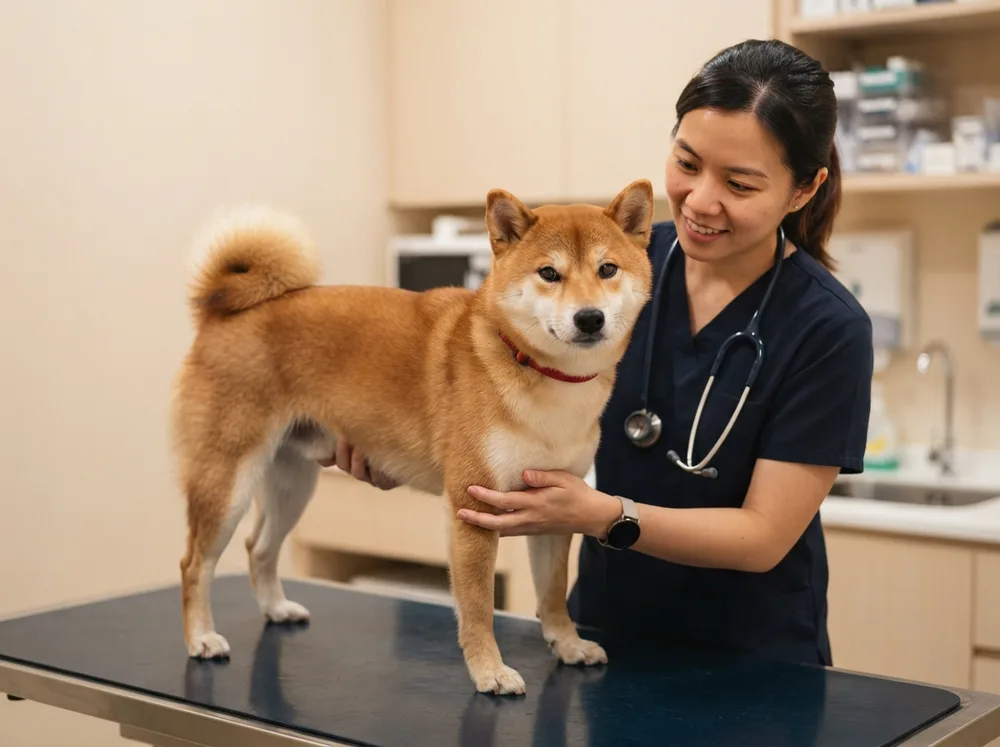
What are the most common Shiba Inu health issues?
The conditions most often associated with the breed are luxating patella (a slipping kneecap), allergies and atopic skin disease, eye conditions such as glaucoma and cataracts, and occasional hip and joint issues. The Shiba is otherwise a generally robust, long-lived breed. Responsible breeders health-screen breeding dogs, and every clinical point here should be confirmed with your own vet.
Risks to manage · confirm with your vet
A robust breed, with a few things to watch
The honest framing for Shiba health is: generally a hardy, long-lived breed, with a short list of conditions worth being aware of rather than afraid of. Knowing them helps you buy from the right source, spot problems early, and budget for care, none of which is a reason to avoid the breed.
We present each condition as a risk to manage with a good vet, never as something a shop can promise away, and we would encourage you to verify anything here with your own veterinarian. The overview also sits on our health page.
The conditions, one by one
Luxating patella is the kneecap slipping out of its groove, common in many small-to-medium breeds; signs include an intermittent skip or hop in the gait. Allergies and atopic skin disease are among the more frequently reported Shiba issues, showing up as itching, recurrent ear infections or paw-licking, and Singapore's humidity can aggravate them. Eye conditions to watch for include glaucoma and cataracts, where any squinting, cloudiness or redness warrants a prompt eye check. Hip and other joint issues appear occasionally.
Weight is the quiet multiplier across all of these: a lean Shiba loads its joints less and is generally healthier. Keep dental care up too, as it matters over a long life. The lifespan context is on how long Shibas live.
Watch-list
- Luxating patella: an intermittent skip in the gait
- Allergies / atopy: itching, ears, paws (worse in humidity)
- Eyes: glaucoma, cataracts — act on squinting or cloudiness
- Hips and joints: occasional issues
- Keep the dog lean; keep up dental care
How sourcing lowers the odds
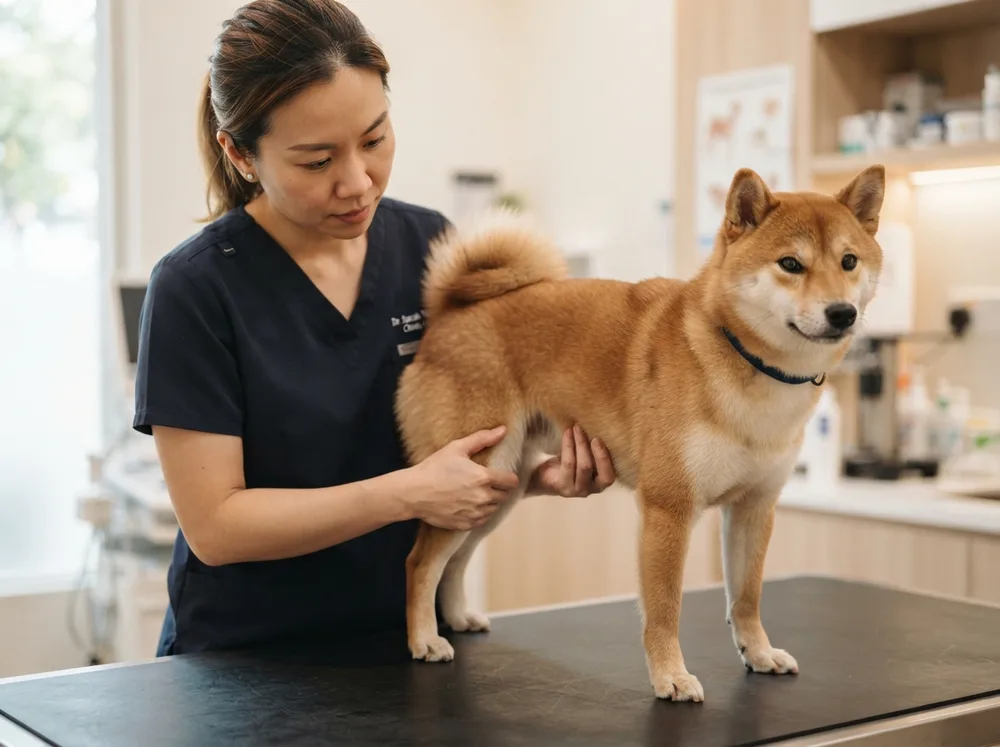
A lot of a dog's health outlook is set before birth. Responsible breeders health-screen their breeding dogs, including eye screening and joint checks, to reduce the chance of passing on heritable problems, so it is worth asking any seller what screening the parents had. On our side, every Shiba we place is purebred, vet-checked, vaccinated, dewormed and microchipped, and goes home with its health records and a 5-day bring-back-if-sick window.
The single biggest avoidable health risk, though, is buying from the wrong place. A smuggled, poorly-raised puppy is a health disaster waiting to happen, which is why provenance matters as much as any screening, covered on spotting a scam Shiba.
Keep reading
Frequently asked questions
What health problems do Shiba Inus have?
Most commonly luxating patella, allergies and atopic skin disease, eye conditions such as glaucoma and cataracts, and occasional hip and joint issues. The breed is otherwise generally robust and long-lived.
Are Shiba Inus prone to allergies?
Allergies and atopic skin disease are among the more commonly reported issues, showing as itching, ear infections or paw-licking. Singapore’s humidity can make skin issues worse, so watch for flare-ups.
What eye problems do Shiba Inus get?
Glaucoma and cataracts are the eye conditions worth knowing about. Any squinting, cloudiness, redness or pawing at the eye should prompt a same-day veterinary check rather than a wait-and-see.
How do I reduce the risk of health problems in a Shiba?
Buy from an AVS licensed source with health-screened parents and records, keep the dog lean, maintain dental and skin care, manage the heat, and keep up routine veterinary care. Act early on any symptoms.
Meet your Shiba Inu
Come say hello at Balestier
2 Balestier Road #01-701, Singapore 320002 · Weekdays 12pm–6pm · Weekends 10am–6pm. Or message us first: tell us about your home and whether you have researched the scream, the prey drive and the shedding, and we will tell you honestly if a Shiba fits.
Want to see the health records?
Every Shiba we place is vet-checked and goes home with records. Ask us anything.
See available puppies